
By
Eleni Kytoudi
For the world’s most discerning buyers and sellers, luxury is no longer a matter of scale or visibility, but of judgement. The most exceptional homes are defined not simply by their location but by how they endure, both as assets and as expressions of identity.
In today’s global landscape, prime real estate has evolved into something far more nuanced. Buyers seek coherence over spectacle, substance over excess. Sellers, in turn, are challenged to present residences not merely as properties, but as complete narratives: spaces where architecture, design, and lifestyle converge.
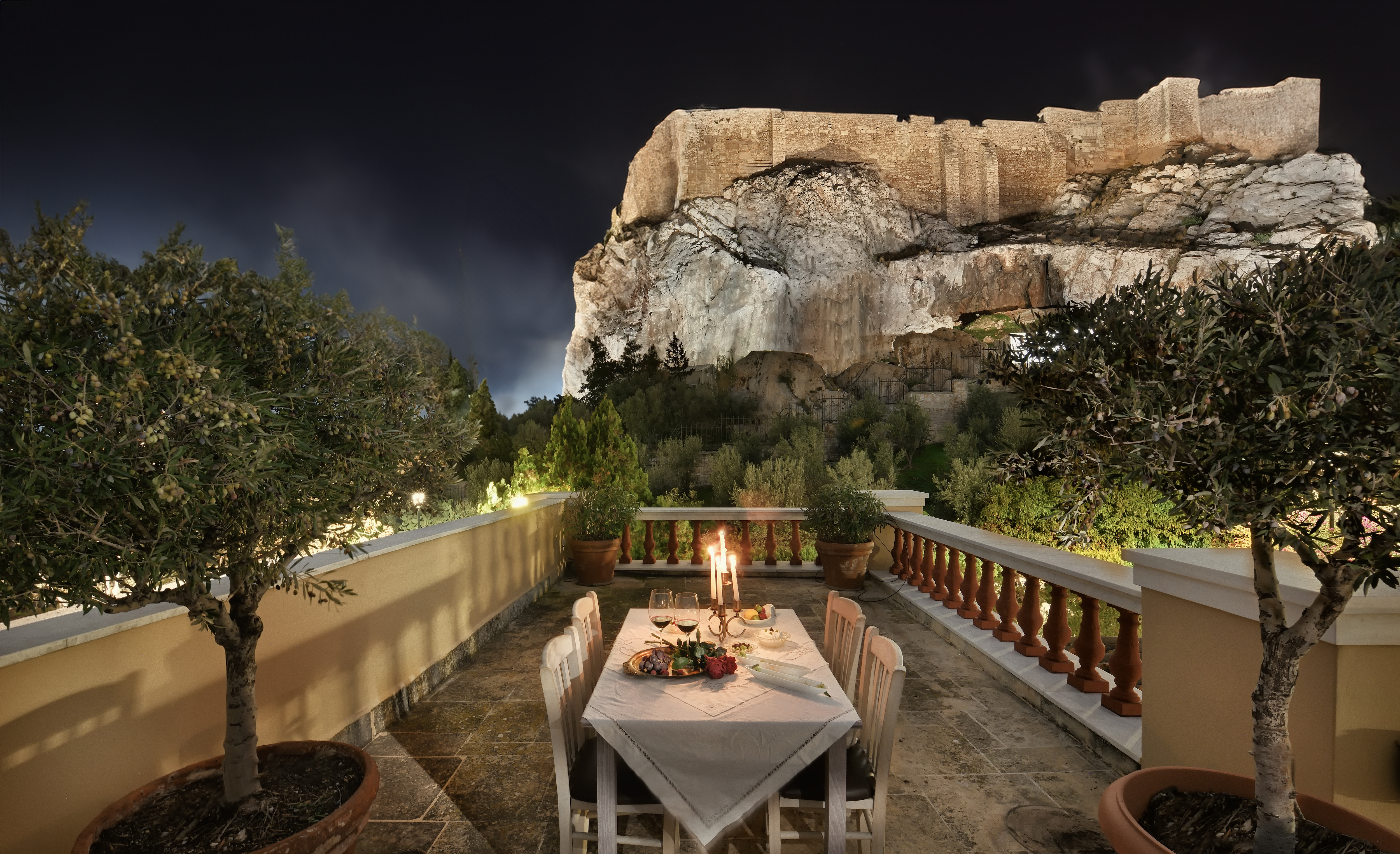
Across Greece, from the Athenian Riviera to the Cyclades, this shift is particularly evident. Here, sea, landscape, and cultural depth meet to create homes that are both desirable and deeply resonant.
Architecture as Enduring Value
At the highest level of the market, architecture is inseparable from long-term value. Homes defined by clarity of design and proportion consistently transcend changing trends, maintaining both relevance and desirability over time.
It is the discipline of space—the balance between openness and structure, the framing of views, the relationship between interior and exterior—that distinguishes the exceptional from the merely impressive. In Greece, this often manifests in architecture that works in harmony with its surroundings: low, sculptural forms, natural materials, and a seamless flow toward outdoor living.
Such properties do not rely on statement, but on certainty. And it is precisely this inherent confidence that gives them enduring appeal.

Material Integrity and the Language of Quality
True luxury reveals itself in detail. Beyond visual impact lies a deeper layer of value: the integrity of materials and the precision of craftsmanship.
Natural stone, solid timber, and finely worked metals are all elements that speak of permanence. They are chosen not for effect, but for their ability to age gracefully, acquiring character over time. Increasingly, buyers at the top of the market recognize this distinction, favouring homes where quality is embedded rather than applied.
This approach aligns with the growing preference for intrinsic luxury; an aesthetic defined by restraint, authenticity, and longevity. Here, elegance is discovered gradually, through texture, balance, and thoughtful composition.

Spatial Intelligence and Contemporary Living
The experience of a home (i.e., how it flows, adapts, and supports modern life) has become central to its value.
Today’s most compelling residences balance openness with intimacy. Expansive living areas encourage connection, while private spaces offer retreat. Outdoor environments—terraces, courtyards, and gardens—are not secondary features, but integral to the way a home is lived, particularly within the Mediterranean context.
There is also an increasing emphasis on wellbeing. Privacy, tranquillity, and a sense of sanctuary are no longer luxuries, but expectations. The most successful homes are those that anticipate these needs, creating environments that feel both expansive and deeply personal.
Identity and the Power of Rarity
What ultimately distinguishes a truly exceptional home is its ability to create an emotional connection.
At this level of the market, rarity is paramount. Whether expressed through architecture, setting, or design narrative, a home must offer something that cannot easily be replicated. Buyers are not simply acquiring space; they are engaging with identity, legacy, and a sense of place.
For sellers, this underscores the importance of positioning. The most compelling properties are those presented with clarity and cohesion, where every element contributes to a singular, recognizable story.
In this context, emotional value becomes inseparable from financial value. A residence that resonates will always stand apart.

The definition of a luxury home has evolved beyond traditional markers of prestige. Today, it is understood as a convergence of architecture, material integrity, spatial intelligence, and identity, rendering it an experience as much as an asset.
In Greece, where sea, landscape, and history create an unparalleled backdrop, this vision takes on a particular clarity. The most exceptional homes here are not simply places to inhabit, but places designed to endure.
Ultimately, for those operating at this level of the market—whether acquiring or presenting a property—the question is no longer what defines luxury, but how it is recognized.